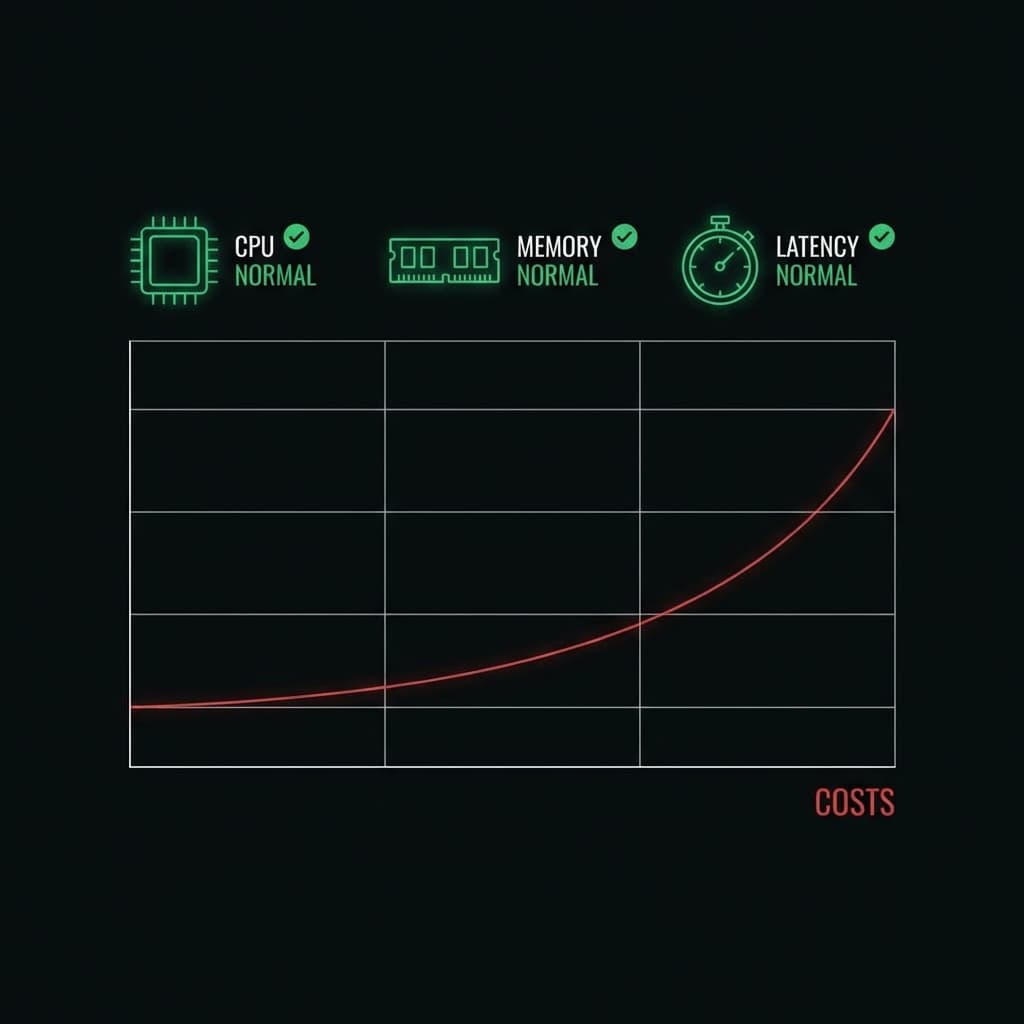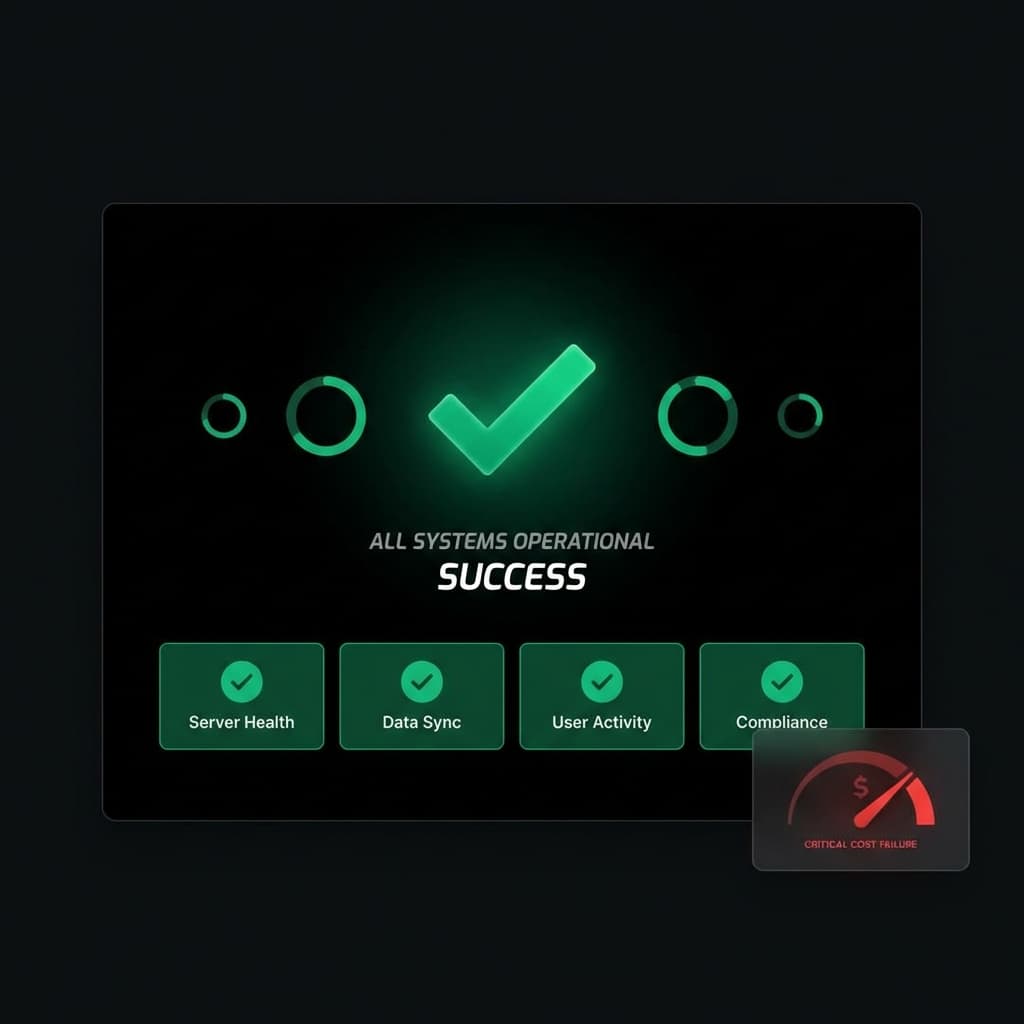
"AI cost control" is often confused with usage tracking.
Tracking shows what happened.
Control decides what is allowed to happen.
For developers running production systems, this difference matters.
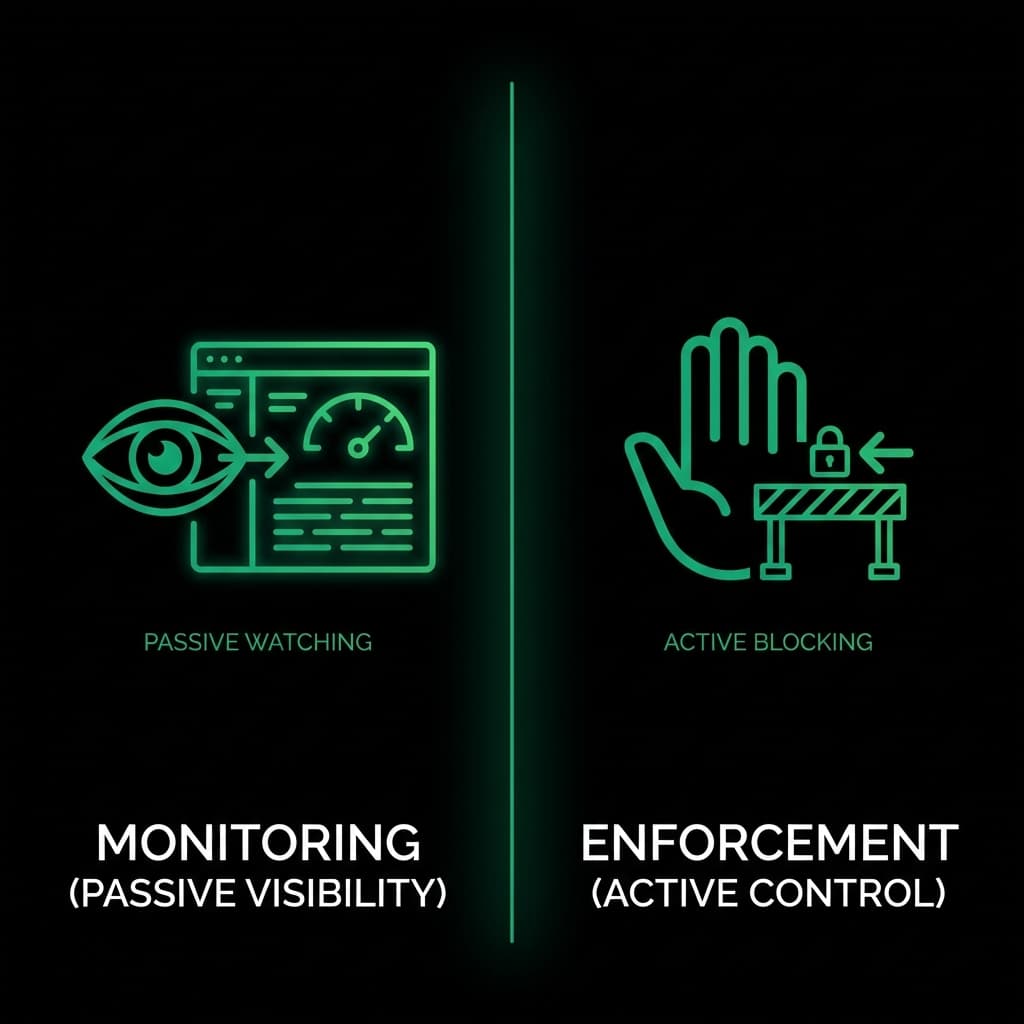
Cost Visibility vs Cost Control
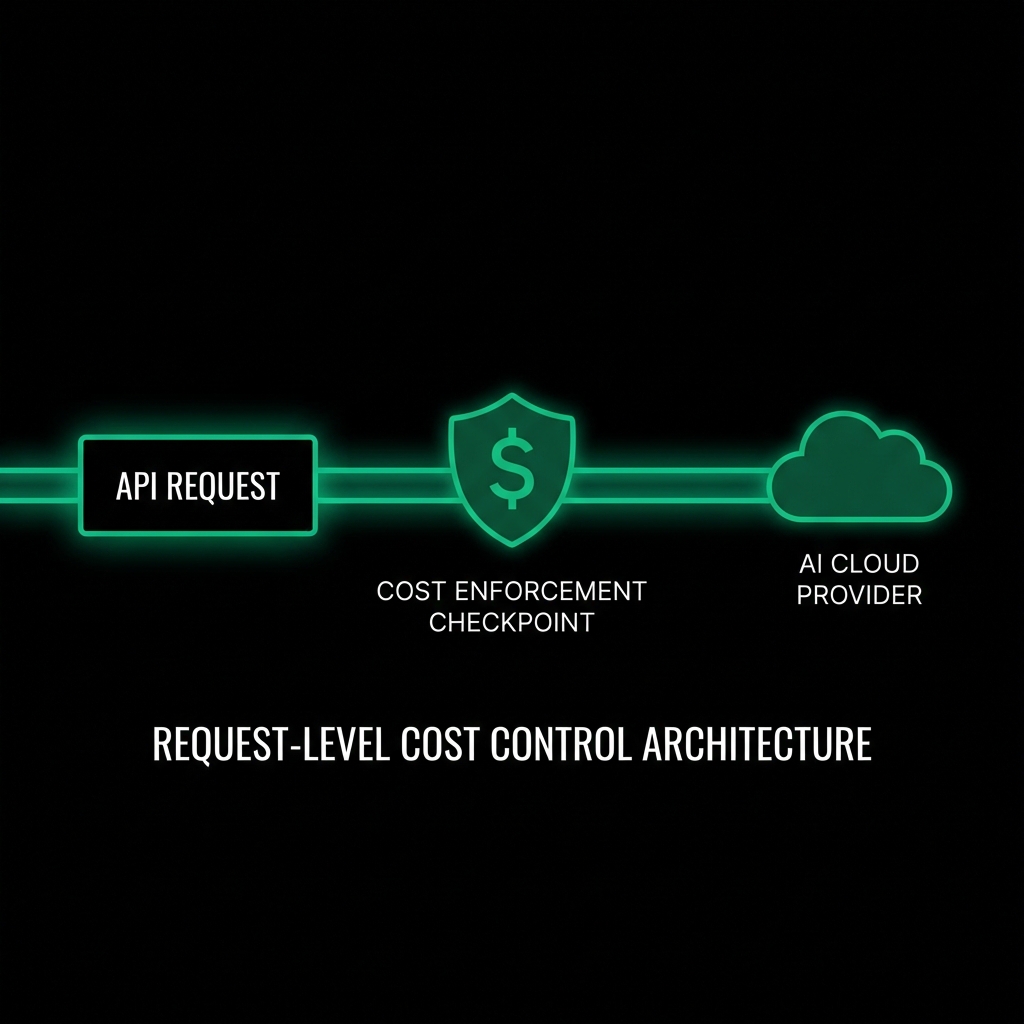
Visibility tools provide:
- Dashboards
- Spend graphs
- Usage alerts
Cost control systems provide:
- Request-level evaluation
- Hard limits
- Automatic blocking
One explains. The other prevents.
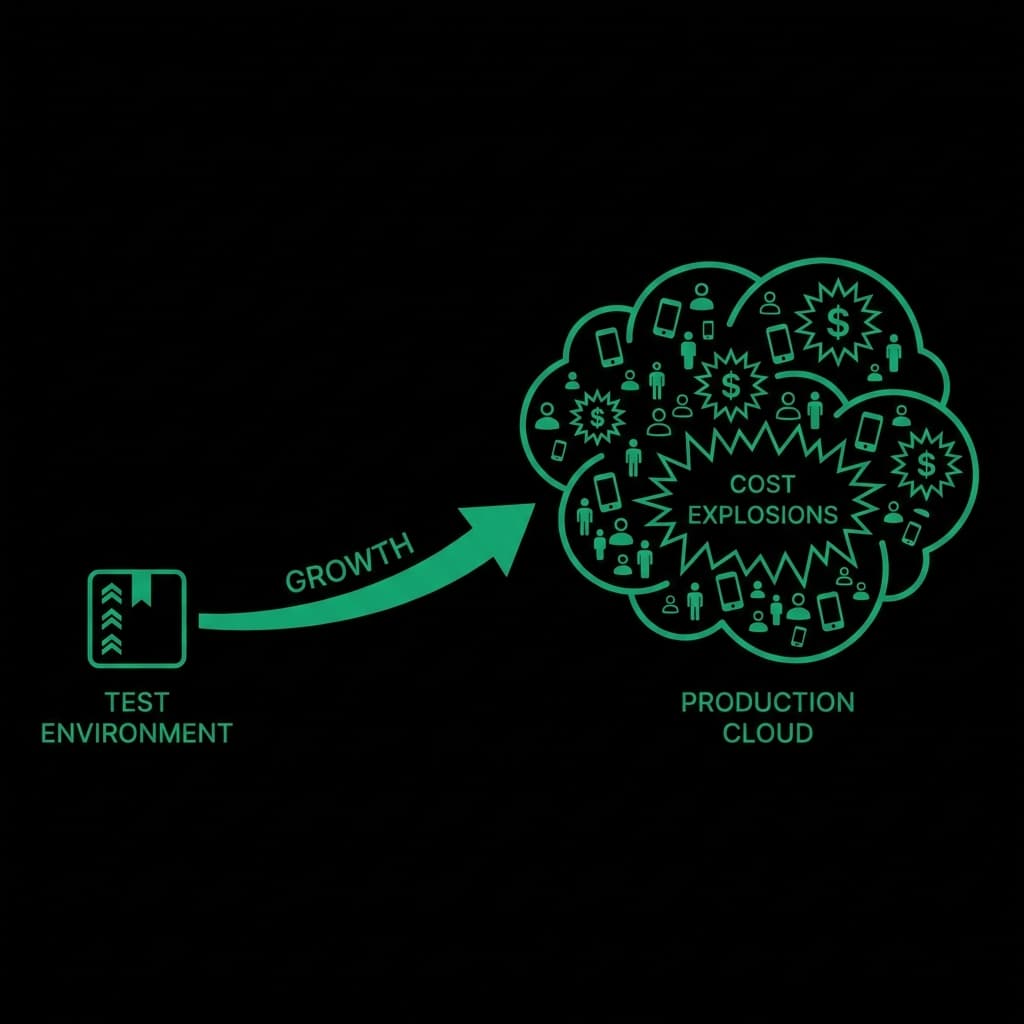
Why Usage-Based Pricing Is Risky
AI APIs charge per usage unit:
- Tokens
- Requests
- Generated output
Inputs are unpredictable, especially with user-generated content. Without limits, every request becomes a financial risk.
Account Limits Are Not Enough
Account-level limits stop usage only after the budget is exceeded.
Request-level control evaluates:
- Each request
- Before execution
- With defined policies
This prevents a single request from consuming the entire budget.
Common Production Patterns
Teams with stable AI spend use:
- Pre-flight cost estimation
- Max cost per request
- Per-project and per-user budgets
- Fail-open behavior for reliability
These patterns are standard in infrastructure and finance.
Conclusion
AI cost control is not analytics. It is enforcement.
If a system cannot block a request before execution, it does not control cost.