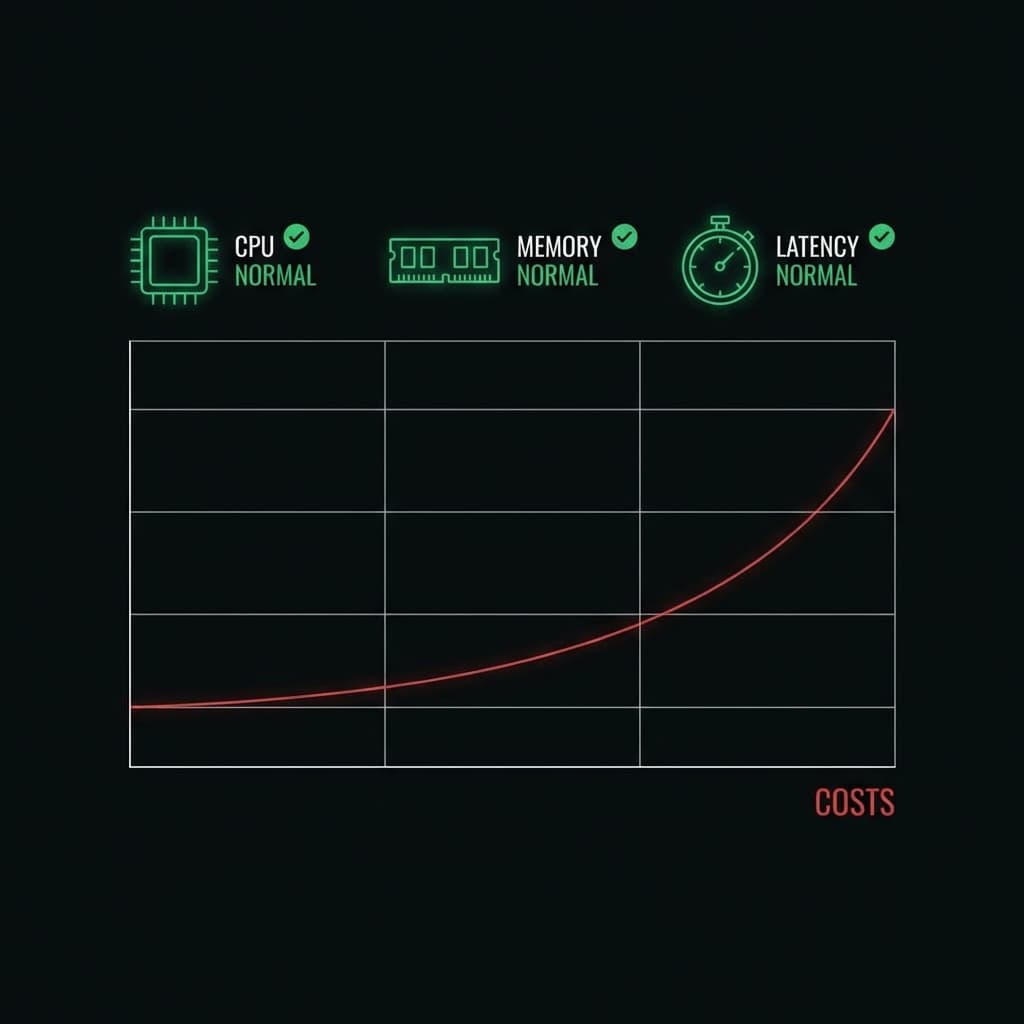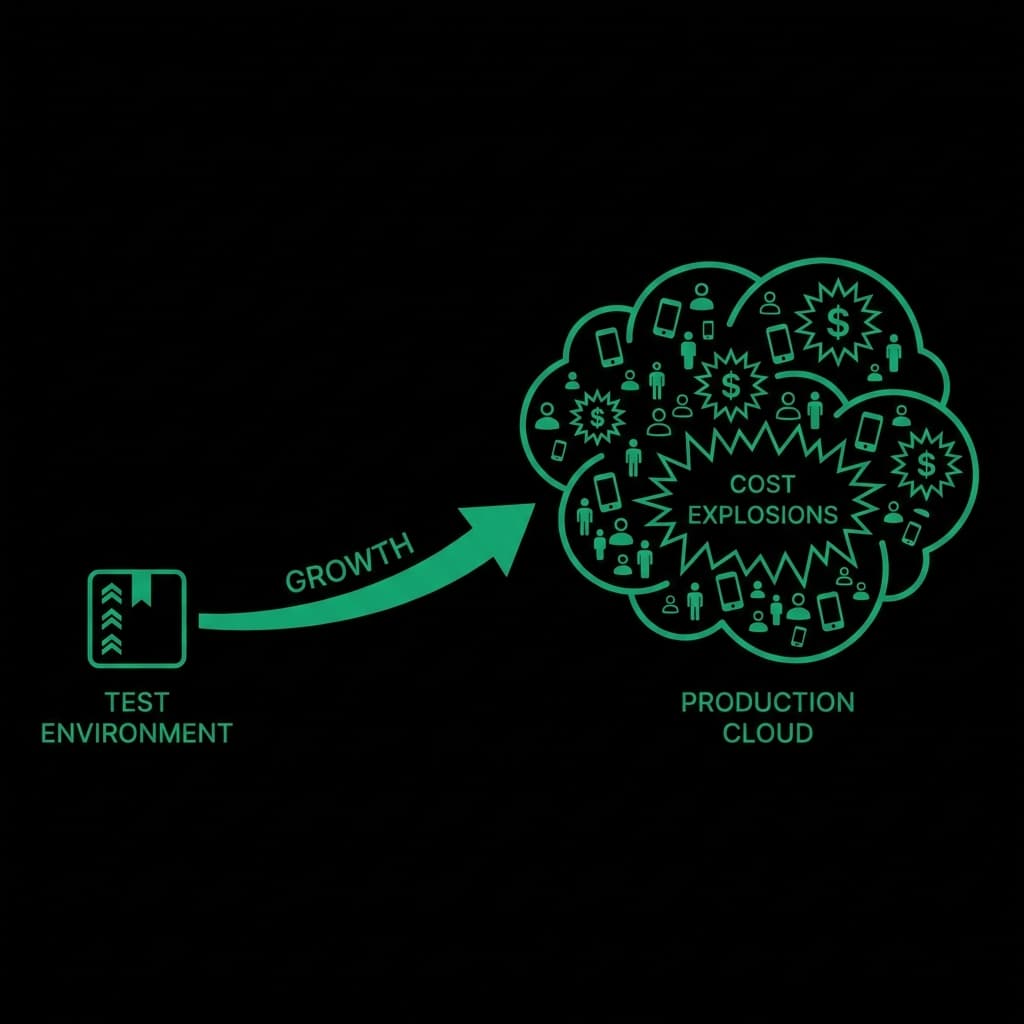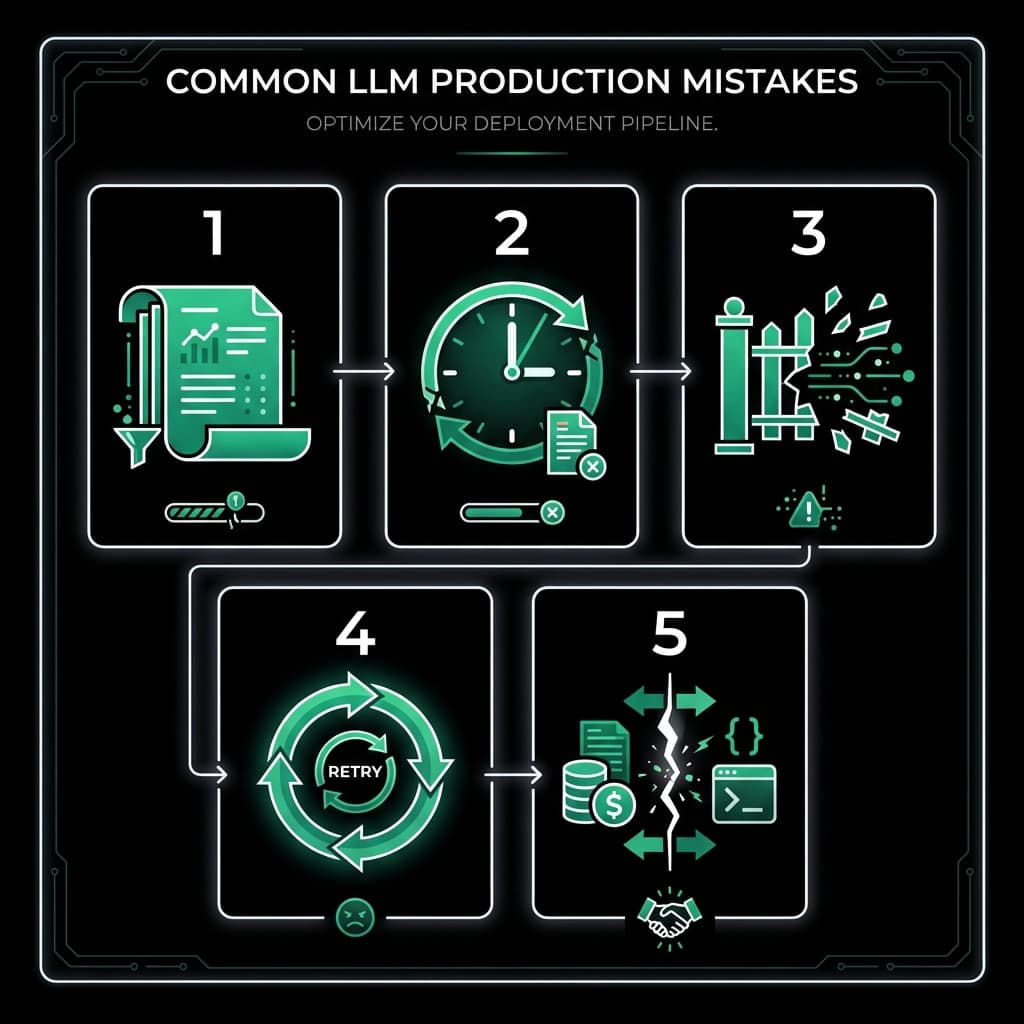
Most LLM cost problems do not appear during development. They appear after deployment.
Production environments introduce scale, unpredictability, and user behavior — all of which directly impact cost.
This article breaks down the most common LLM cost management mistakes and how teams avoid them.
Mistake 1: Assuming Input Size Is Predictable
In production:
- Users paste large content
- Systems forward raw data
- Inputs grow over time
Assuming "average input size" leads to underestimating worst-case cost.
Fix: Always assume maximum possible input and output.
Mistake 2: Relying on Post-usage Reports
Reports show:
- What happened
- How much was spent
They do not stop:
- A single large request
- Sudden spikes
- Abuse scenarios
Fix: Enforce limits at request time, not after billing.
Mistake 3: No Per-request Limits
Many teams set:
- Daily budgets
- Monthly caps
But a single request can consume the entire budget.
Fix: Define a maximum cost per request and block violations.
Mistake 4: Ignoring Retries and Background Jobs
Retries multiply cost silently.
Common causes:
- Network failures
- Timeout retries
- Background jobs without limits
Fix: Apply the same policies to all execution paths.
Mistake 5: Treating Cost as a Finance Problem
Cost control is often delegated to finance.
In reality:
- Cost is generated by code
- Control must exist in the request lifecycle
Fix: Treat cost as a runtime concern, not a billing concern.
Conclusion
LLM cost management failures are architectural, not accidental.
Teams that succeed design cost control into the system itself.